Energy Efficiency and Sliding Doors: Key Facts to Understand
Energy efficiency serves as a vital consideration for homeowners looking to enhance comfort and reduce costs. Sliding doors, when built with particular attributes, serve a major function in reaching these objectives. Familiarizing oneself with the diverse components and installation approaches can produce meaningful savings and better indoor surroundings. As energy-efficient sliding doors grow more widespread, it prompts inquiries about the optimal strategies for choosing and caring for them. What are the primary aspects to assess?
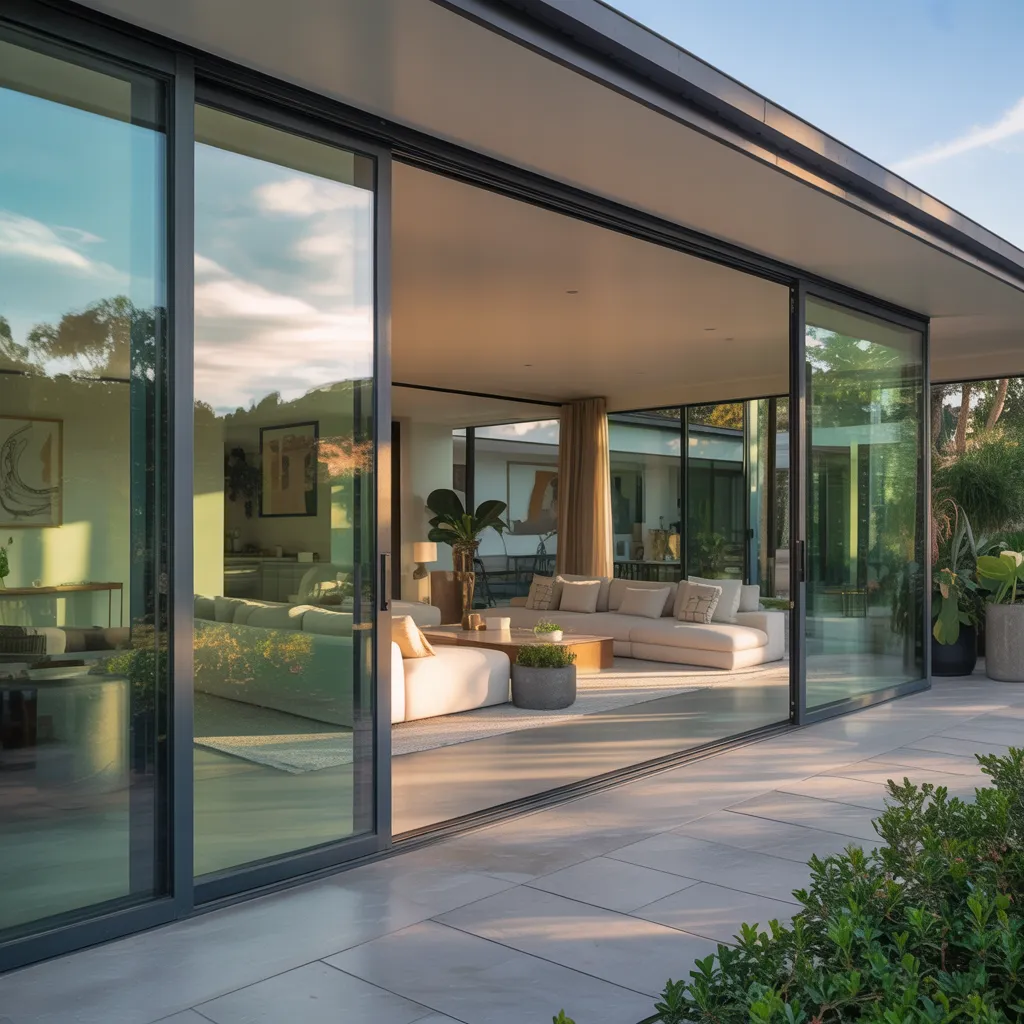
What Makes Energy-Efficient Sliding Doors a Smart Choice?
Energy-saving sliding doors provide substantial advantages for homeowners seeking to improve comfort and lower energy expenses. These doors are engineered to reduce heat transfer, which assists in sustaining a consistent indoor temperature all year long. By blocking drafts and reducing thermal loss, they help create a more stable and comfortable living environment.
In addition, energy-saving sliding doors typically include innovative materials and modern technologies that boost insulation. Residents are able to benefit from enhanced natural lighting while taking advantage of reduced reliance on supplemental lighting. Furthermore, many of these doors are designed to prevent damaging UV rays from entering, preserving interior décor from sun-related fading.
Investing in energy-saving sliding doors can lead to reduced energy costs over time, making them an economical option. Residents may also find that these doors boost the overall appeal of their home. In an era focused on environmental responsibility and performance, investing in high-efficiency sliding doors is an intelligent and forward-thinking investment.
Essential Features That Maximize Energy Efficiency in Sliding Doors
While many homeowners seek to enhance energy efficiency, the attributes of sliding doors play a crucial role in achieving this goal. A primary feature includes multi-point lock configurations, which guarantee a tight seal and reduce air leakage. Low-emissivity (Low-E) glass is another essential element, reflecting heat while allowing natural light, thereby maintaining indoor temperatures. Moreover, weatherstripping around the door frame helps prevent drafts, improving overall insulation.
Thermal breaks within the frame can also play a significant role, limiting heat transfer and boosting overall energy performance. Furthermore, opting for a well-matched track system can decrease friction, ensuring seamless operation without affecting the seal. Finally, the inclusion of energy-conscious hardware, like insulated handles and secure locks, can contribute meaningfully to sustained energy efficiency. Collectively, these attributes enable homeowners to maintain comfortable homes while cutting down on energy consumption and costs.
Materials That Boost Insulation and Performance
The selection of elements for sliding doors serves a critical function in optimizing their insulation and overall performance. High-performance frame materials, such as fiberglass and vinyl, significantly minimize thermal transfer, while advanced glass options improve energy retention. Together, these elements contribute to a greater level of indoor comfort and lower energy costs.
Eco-Friendly Frame Materials
Sliding doors can considerably boost a home's energy performance when made with the right framing materials. Materials such as vinyl, fiberglass, and wood-clad frames deliver outstanding thermal insulation. Vinyl frames are notably beneficial, as they combat temperature variations and limit heat conduction. Fiberglass frames, valued for their strength and minimal heat transfer, help decrease energy loss. Wood-clad frames blend the visual charm of natural wood with the thermal advantages of complementary materials, delivering an equilibrium of design and efficiency. Moreover, aluminum frames with thermal breaks may also perform efficiently when constructed appropriately. Selecting the appropriate frame material is essential for enhancing energy performance and maintaining a comfortable indoor environment while reducing energy expenses.
High-Performance Glass Options
Premium glass technologies greatly enhance the energy efficiency of sliding doors, delivering advanced insulation and performance features. These specialized glazing technologies frequently feature two or three-pane arrangements, which seal air or insulating gas between panels, significantly minimizing heat transfer. Thermal Low-E surface treatments further improve energy efficiency by reflecting heat back into the home while allowing natural light to enter. Additionally, many premium glass configurations feature inert argon or krypton gas layers, improving overall insulation performance. These qualities not only promote a warmer and more pleasant living space but also reduce energy expenses. By opting for sliding doors equipped with premium glass, homeowners can achieve a harmony between visual appeal and thermal performance, creating a worthwhile commitment to lasting efficiency and environmental responsibility.
How Proper Installation Boosts Energy Savings
Correct installation of sliding doors significantly improves energy efficiency by ensuring airtight seals and perfect alignment. When sliding doors are properly installed, they reduce air leakage, which is a prevalent contributor to energy loss in households. Spaces or misalignments can permit conditioned air to seep out, leading to increased heating and cooling costs.
Furthermore, correct installation supports the durability and performance of the doors, reducing the likelihood of wear and tear that can compromise thermal performance in the long run. A seasoned installer will verify that the door frame sits evenly and that all components, such as tracks and rollers, are functioning correctly.
Finally, professional installation often adheres to manufacturer guidelines, which can maximize the performance ratings of the sliding glass doors. By choosing quality installation, homeowners can achieve considerable energy savings while elevating the overall comfort of their living spaces.
Key Considerations: Costs and Benefits of Sliding Doors
When looking at sliding doors, evaluating the initial expenditure is important, as costs can vary markedly based on materials and design. Additionally, energy savings over time can compensate for the upfront cost, making it important to evaluate energy efficiency ratings. Being aware of these elements will help homeowners reach well-informed conclusions that weigh initial costs against long-term advantages.
Preliminary Investment Factors
Choosing sliding doors can provide substantial long-term benefits, but initial costs are essential to evaluate. When evaluating sliding doors, buyers should assess the price of installation, materials, and required structural changes. Superior materials, such as fiberglass or low-E glass, may have a larger starting investment but can enhance durability and energy efficiency. Additionally, the complexity of the installation process can affect labor expenses. It is essential to balance these upfront expenses with the anticipated benefits, including energy efficiency improvements and visual enhancement. Homeowners should also examine warranty options and maintenance requirements, as these factors can affect long-term value. Ultimately, a comprehensive analysis will help in reaching a well-considered conclusion regarding the commitment to sliding doors.
Lasting Energy Savings
Even though the starting investment in sliding doors might seem overwhelming, the extended energy savings can substantially offset these initial costs. High-performance sliding doors are engineered to reduce heat loss in winter while decreasing cooling requirements in summer, leading to reduced energy bills. In the long run, the ongoing energy savings can compensate for the elevated purchase and installation costs, making them a financially wise choice. Furthermore, numerous sliding doors include features like low-emissivity (Low-E) glass that improves insulation performance. Homeowners could additionally qualify for tax credits or rebates that reward energy-efficient home upgrades. Ultimately, investing in sliding doors not only enhances aesthetic appeal but also contributes to significant savings on energy expenses in the long run.
Material Impact and Design Considerations
The choice of design and material significantly affects the efficiency and performance of sliding doors. Popular materials encompass vinyl, aluminum, and wood, each providing distinct advantages. Vinyl provides excellent insulation and requires minimal maintenance, while aluminum is lightweight and durable, often featuring thermal breaks to boost thermal performance. Wood, though aesthetically pleasing, may require more upkeep.
Design elements, including the glazing style used, serve a vital function in energy efficiency. Dual or triple-layered glass panels can greatly reduce heat transfer, supporting temperature regulation. Additionally, the fit and seal of the door impact air leakage, which can impact total energy expenditure. Ultimately, choosing appropriate materials and configurations can yield substantial lasting energy efficiencies and greater well-being in residential areas.
Guidelines for Preserving the Efficiency of Your Sliding Doors
Keeping sliding doors that are energy-efficient is key to optimizing their functionality and lifespan. Regular cleaning is critical; accumulated dirt and debris may impair their function and diminish insulation efficiency. Residents are advised to use a gentle soap mixture and a soft cloth to clean both the glass and frame, making certain the seals are kept in good condition.
Checking the weather stripping regularly is equally essential. Damaged or worn strips should be swiftly replaced to maintain thermal efficiency. Additionally, lubricating the track and rollers with a silicone-based product can prevent wear and guarantee smooth operation.
Detecting drafts by conducting a basic hand test along the edges can reveal areas that require attention. When drafts are found, applying caulk or weather stripping can enhance energy efficiency. Additionally, verifying check this that the doors align correctly will close any gaps, which further enhances their performance. Regular maintenance not only conserves energy but also extends the lifespan of sliding doors.

Common Questions and Answers
Are Special Cleaning Products Needed for Energy-Efficient Sliding Doors?
Energy-efficient sliding doors do not necessarily require special cleaning products. Common mild cleaning solutions and soft cloths generally do the job, guaranteeing adequate upkeep without harming the materials or undermining their energy-saving qualities. Consistent cleaning boosts their lifespan and overall performance.
In What Ways Do Sliding Doors Affect Home Resale Value?
Sliding doors are known to increase home resale value by enhancing both aesthetics and functionality of a property. Potential buyers often appreciate the natural light and ease of access they offer, making properties with well-maintained sliding doors more attractive in highly competitive real estate markets.
Are Energy-Efficient Sliding Doors Customizable for My Home?
Certainly, homeowners have the ability to customize sliding doors with energy-efficient features to suit their preferences. Options include various materials, styles, and energy ratings, facilitating better insulation and visual appeal while elevating overall home performance and comfort.
What Warranty Options Are Available for Energy-Efficient Sliding Doors?
Warranty options for high-efficiency sliding doors generally differ by manufacturer, usually extending from ten years to lifetime coverage. Homeowners should closely inspect specific terms, including provisions for materials, workmanship, and energy performance guarantees.
Do Tax Incentives Exist for Installing Energy-Efficient Sliding Doors?
Absolutely, there are financial incentives offered for installing energy-efficient sliding doors. Qualifying homeowners may be eligible for local rebates or federal tax credits, which support energy-conscious upgrades and improve overall energy efficiency in residential properties.
Comments on “Helpful Tips to Aluminium Sliding Doors”